As a Tampa Bay event rental coordinator, I spend a lot of time thinking about how a wedding space will feel once guests arrive. I have worked with couples planning elegant ballroom receptions, relaxed garden ceremonies, and celebrations at private waterfront properties. Each venue brings its own challenges, especially when the rental setup has to accommodate several activities within a limited space. I enjoy finding practical ways to make the room feel personal without filling it with unnecessary furniture or decorations.
Planning the Guest Experience From Arrival to Departure
I start by imagining the event from a guest’s point of view. Someone arriving at the venue should be able to identify the welcome area, find the ceremony seating, and understand where to go afterward without needing constant directions. I consider the position of the welcome table, guest book, gift table, and any seating reserved for family members. These details influence the rental layout before I choose the larger decorative pieces.
For a wedding with around 100 guests, I might recommend a small welcome table near the entrance, with enough room for guests to pause without blocking the doorway. I also check whether the couple wants a seating chart, printed program display, or card collection box. Each item needs a stable surface and a location where it can be seen easily. I avoid placing several displays together if they create a bottleneck during arrival.
I once helped arrange a reception where the venue entrance opened directly into the dining area. The original plan placed the gift table beside the doorway, which made the entrance feel crowded as guests arrived. I moved the table to a nearby wall and adjusted the welcome display to leave a clearer path. It was a small change, but it made the first few minutes of the event much easier to manage.
Finding the Right Rental Collection for the Venue
I compare rental collections based on the venue’s dimensions, the event schedule, and the couple’s preferred style. A hotel ballroom may already include standard tables, while a private garden venue could require nearly every piece of furniture from an outside provider. Couples exploring wedding rentals Tampa can review a local event rental service when considering furniture and equipment for their celebration. I recommend asking for an itemized proposal that identifies quantities, delivery charges, setup services, and collection arrangements.
I do not assume that a photograph represents the exact item a provider will deliver. A chair may have different finishes or upholstery depending on the available inventory, and table dimensions can vary between styles. I ask for current photographs and measurements whenever a particular piece is central to the design. If the couple wants 120 matching chairs, I confirm that the quantity is available for the selected date.
I also review the rental agreement before considering the order complete. I check the payment schedule, cancellation terms, damage responsibilities, and the procedure for changing quantities. Some providers may have minimum order values or delivery restrictions based on the venue’s location. I prefer to resolve these details early rather than discover an unexpected requirement during the final planning week.
Creating Different Areas Within One Reception Space
I often divide a reception into smaller functional areas instead of treating the entire room as one large arrangement. The dining section needs enough room for tables and service staff, while the entertainment area should remain open for dancing. A lounge corner can give guests another place to talk without sitting at their assigned dinner tables. I use furniture placement to define these areas without making the room feel divided.
For a reception with 140 guests, I might combine round dining tables with a few cocktail tables near the bar. I leave the central dance floor accessible from several directions and avoid placing tall furniture where it blocks the view of the entertainment area. If the venue has a long rectangular shape, I may position the dining tables along the sides and keep the middle section more open. The exact arrangement depends on the room’s entrances and fixed features.
I pay attention to the distance between furniture pieces. Guests need enough room to pull out chairs, walk behind seated people, and reach the service stations. I also consider guests using mobility aids and avoid making the most convenient route depend on narrow gaps. A floor plan should work for the full guest list, not just for the people who can move easily through tight spaces.
Choosing Furniture That Fits the Atmosphere
I use the couple’s preferred atmosphere to guide furniture selection. A formal reception may call for upholstered dining chairs and neatly arranged round tables, while a relaxed celebration could work well with natural wood tables and simpler seating. I also consider the venue’s existing furniture because renting duplicate pieces can waste part of the budget. If the venue already provides suitable dining chairs, I may suggest spending the rental allowance on a lounge arrangement or decorative feature instead.
Specialty seating can make a reception feel more distinctive. A sweetheart table gives the couple a separate place during dinner, while a small sofa arrangement can create a comfortable area for photographs and conversation. I check the dimensions before choosing these items because oversized furniture can dominate a smaller venue. For a room with limited floor space, two accent chairs and a side table may be enough.
I also think about how furniture will look after guests begin using it. Light-colored upholstery may suit a refined design, but I ask about the provider’s cleaning and handling standards before confirming the order. Outdoor furniture needs to be suitable for the surface and expected weather conditions. I would rather choose a practical material than spend the evening worrying about whether the furniture can handle normal use.
Making the Dining Area Work for Catering Staff
I coordinate table layouts with the catering team because serving requirements can change the amount of usable space. A plated dinner needs routes for servers carrying meals, while a buffet requires a clear queue and enough room for guests to approach the food. I ask whether the caterer needs separate preparation tables or service stations. Those requirements should be included before the final rental quantities are approved.
Bar placement is another decision I make with the guest flow in mind. If the bar is directly beside the entrance, arriving guests may gather in the same area where other people are trying to check in. I often look for a position along a side wall or near the edge of the reception space. I also confirm whether the bar needs rented counters, back tables, or additional equipment.
For larger weddings, I check the number of service points rather than assuming one buffet table will be enough. A reception with 150 guests may need more than one serving area, depending on the menu and the caterer’s approach. I ask how food will be replenished and where used plates will be collected. These practical details help me position rental tables where they will be useful throughout dinner.
Adding Decorative Features Without Overcrowding
I usually select decorative rentals after the main furniture plan is settled. This allows me to see which areas need visual attention and which already have enough character. A ceremony arch, welcome display, or statement backdrop can give the venue a focal point. I avoid adding several large features that compete for attention in the same room.
Lighting can be particularly useful for changing the atmosphere between daytime and evening events. I may suggest warm accent lighting around a reception space or string lights for an outdoor dining area where the venue permits them. I check the power supply, installation rules, and responsibility for removing the equipment afterward. I also ask the lighting team to test the setup before guests arrive.
Table decorations need to suit the actual size of the furniture. Tall centerpieces may look attractive in photographs, but I check whether guests can see each other across the table. For a 60-inch round table, I consider the number of place settings and the space required for serving dishes before choosing decorative pieces. A smaller centerpiece can sometimes create a more comfortable dining experience.
Preparing for Outdoor Conditions in Tampa
I take outdoor weather planning seriously because a wedding setup needs to remain usable if conditions change. Tampa’s warm climate can make direct sunlight uncomfortable during a long ceremony, so I ask about shade and covered areas before confirming the seating plan. I also consider whether the venue has an indoor alternative that can accommodate the expected guest count. A backup location should be discussed before the rental order is finalized.
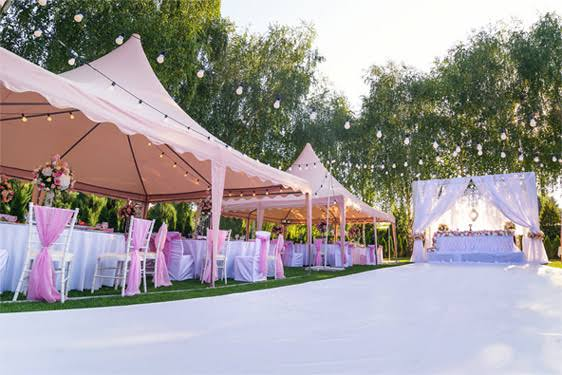
Tents require more than a quick estimate based on the number of guests. I check the available ground area, installation rules, anchoring requirements, and whether flooring or side panels are needed. Some venues have restrictions on where equipment can be installed, particularly around landscaped areas or existing structures. I confirm those rules with the venue before including tent equipment in the order.
I also consider how rain could affect tables, chairs, and walkways. Grass can become soft, and certain surfaces may become slippery after heavy showers. If the event uses an outdoor dining area, I ask whether protective flooring or a covered service station is appropriate. I prefer to make these decisions during planning rather than wait until the weather becomes a problem.
Keeping the Final Rental Schedule Under Control
I create a delivery and setup schedule that gives each vendor enough time to complete their work. The rental team may need access before the florist, caterer, or entertainment crew begins, so I confirm the order of arrival with the venue manager. I also identify the loading entrance and any restrictions on vehicle access. A written schedule helps everyone understand when the space will be available.
Once the equipment arrives, I check the major quantities and visible condition of the items. If the order includes 18 tables and 110 chairs, I verify those numbers before the decoration team begins arranging the room. I report missing or damaged pieces promptly and keep a record of any agreed replacement. I also confirm the collection time so the venue is not left with equipment after the permitted deadline.
I give personal decorations their own collection plan. Couples may bring framed photographs, signs, favors, or family keepsakes that should not be mixed with rented equipment. I identify who will pack these items and where they will be stored after the reception. This simple step can prevent meaningful belongings from being misplaced during a busy breakdown.
I believe a successful wedding rental plan should make the venue easier to enjoy rather than simply make it look full. I focus on the guest experience first, then choose furniture and decorative pieces that support the couple’s plans. Before confirming an order, I review the quantities, measurements, delivery schedule, and backup arrangements with the people responsible for the event. That preparation gives me confidence that the space will feel welcoming from the first arrival through the final dance.
Leave a Reply